Nursing Assistant, non-credit or credit training
Why choose the Nursing Assistant non-credit or credit training program at PCC?
Take the next step
Learn how to get into this program.See how to apply Attend an information session Request information
Are you ready to join the healthcare workforce in a high-demand role that offers stability? Becoming a certified nursing assistant (CNA) opens the door to a career where you’ll make a difference in patients’ lives every single day. This program is designed to help you succeed and offers a pathway to becoming a licensed practical nurse, registered nurse, or physician assistant.
bullhorn Credit or non-credit options
The Nursing Assistant course can also be taken as a 6-credit class! The credit option is identical to the non-credit option, and may be financial aid eligible.
Program highlights:
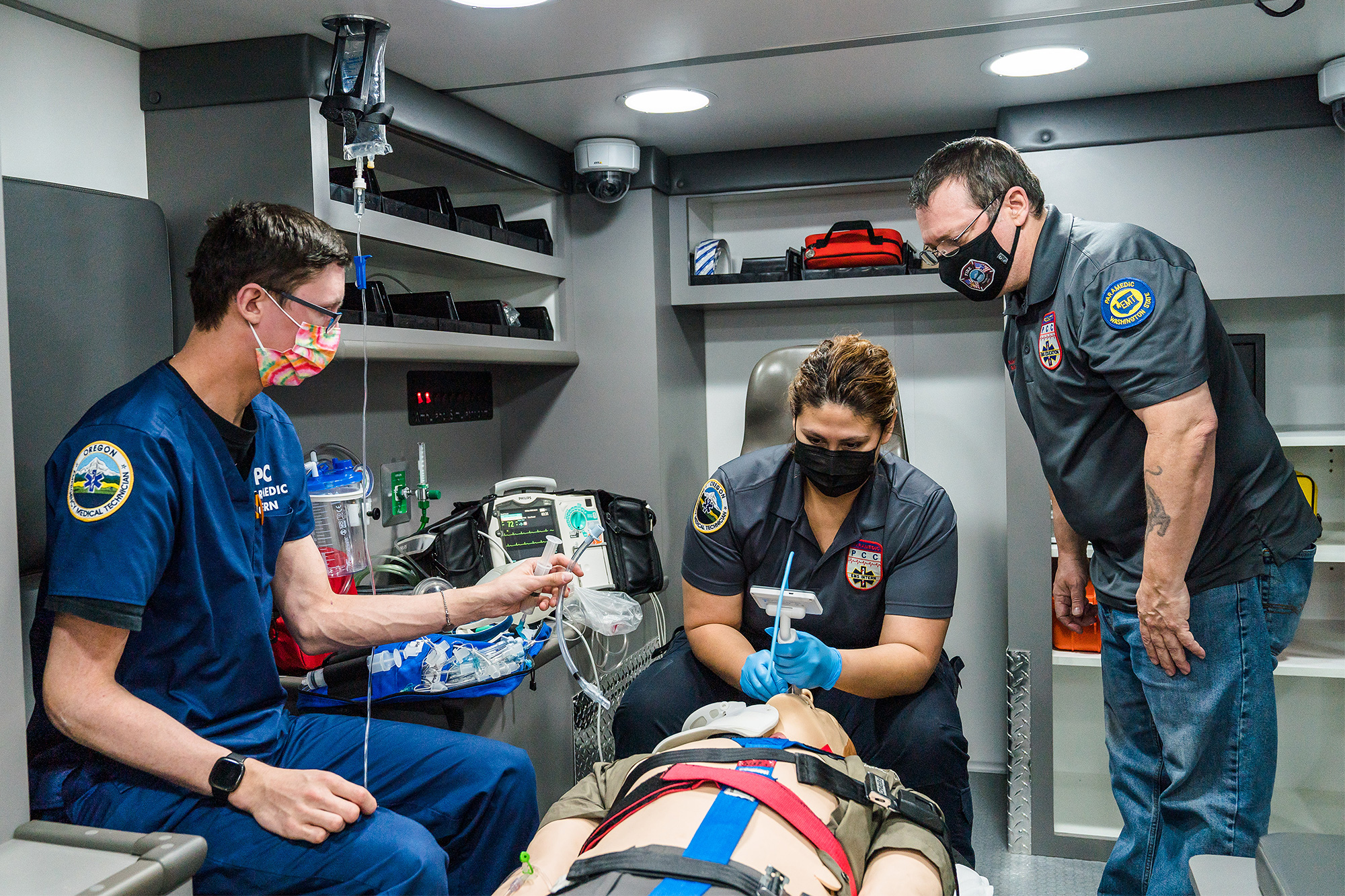
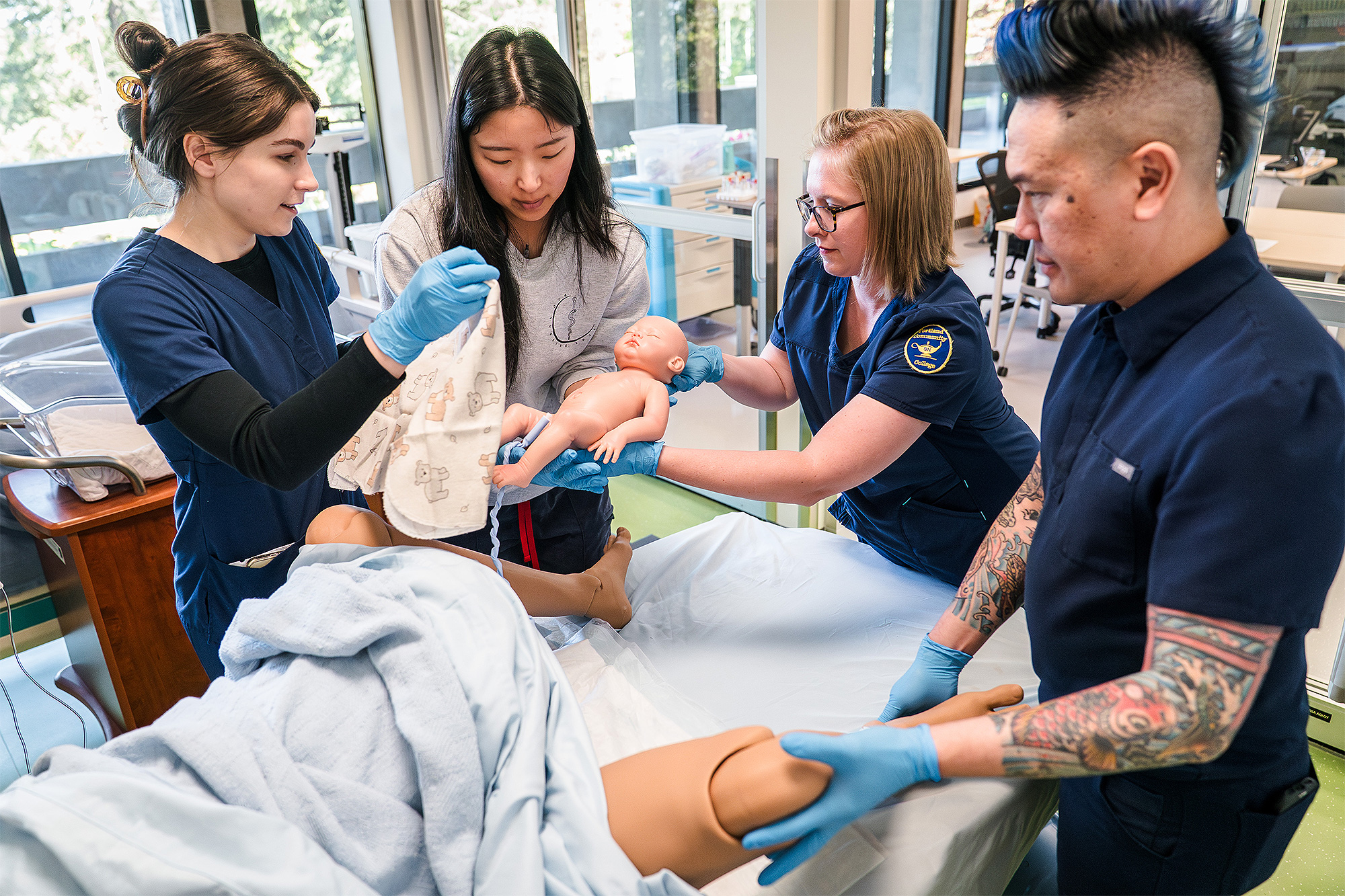
- Practical in-person training: Develop your skills in both lecture and lab settings, gaining real-world experience during a clinical practicum at hospitals or skilled nursing facilities in the Portland area.
- One-term program: Spend approximately 8 to 24 hours per week for just one term.
- In-demand skills: Grow the skills that will make you a vital member of the healthcare team, from compassion to effective communication and teamwork.
- Career-ready preparation: Complete the program and gain the knowledge and confidence to pass the Oregon State Board of Nursing certification exam, which grants you certification and the ability to work as a certified nursing assistant in the state of Oregon.
- Nursing instructors: Our instructors bring years of real-world clinical experience that transforms theory into meaningful, practical learning.
$21–$32 hourly wages
Average wages for Portland-area certified nursing assistants according to the Oregon Employment Department.
Award information
| Award | Length (attending full-time) | Financial aid eligible | Currently accepting students? |
|---|---|---|---|
| Non-credit Training: Nursing Assistant | Less than 1 year | Limited entry, see how to apply to Non-credit Training: Nursing Assistant |
About this program
Learn more about Nursing and all 2 awards available »
Locations
 CLIMB Center
 Sylvania
Clinical site locations are subject to change based on availability and resources.
What will you learn?
Take this class for credit or as non-credit!
Students will have the option to register for a 6-credit or a non-credit Nursing Assistant course. Both options span the length of the term, and the curriculum for both versions is identical. To help determine which option is best for you based on your individual needs, review the following information to support your decision-making process:
Credit version
The credit version of the Nursing Assistant course is designed for students who view healthcare as a long-term academic journey. Credit courses satisfy prerequisites for more advanced degrees and certificates, and the class can be applied as an elective towards the new Healthcare Pathways certificate, or toward an Associate of General Studies (AGS) degree. The credit course option helps you to build a foundational GPA that will be crucial when continuing your education in the healthcare field.
Depending upon your eligibility and program of study, students taking the credit course might be able to use federal financial aid (FAFSA) to help with the cost of the course, and may be eligible for PCC scholarships. In addition, the Opportunity Centers may be able to connect students with funding resources, depending on eligibility. Contact Tracee Wells-Bryant at discoverhealth@pcc.edu.
Non-credit version
The non-credit version of the Nursing Assistant course is the ideal choice for individuals who need to enter the workforce immediately or for those who are testing the waters of a career in healthcare, without committing to a long-term degree plan. Though it doesn’t offer college credit, the non-credit version provides the same preparation for certification. Non-credit courses are graded as pass/no pass and do not count toward a GPA.
Non-credit courses are not eligible for financial aid support (FAFSA). However, non-credit students are encouraged to reach out to the Opportunity Centers to explore eligibility for funding opportunities. Contact Tracee Wells-Bryant at discoverhealth@pcc.edu.
Approved by the Oregon State Board of Nursing, the Nursing Assistant program teaches hands-on skills that students will use every day to provide patients with exceptional health care. After practicing these skills in a lecture and lab setting, you will put them to use in the real world during a clinical practicum at one of several hospitals, clinics, long-term care, or skilled nursing facilities in the Portland area.
Part I: Lecture and lab – 80 hours
- 40 hours of online lectures
- 40 hours of in-person lab skills training
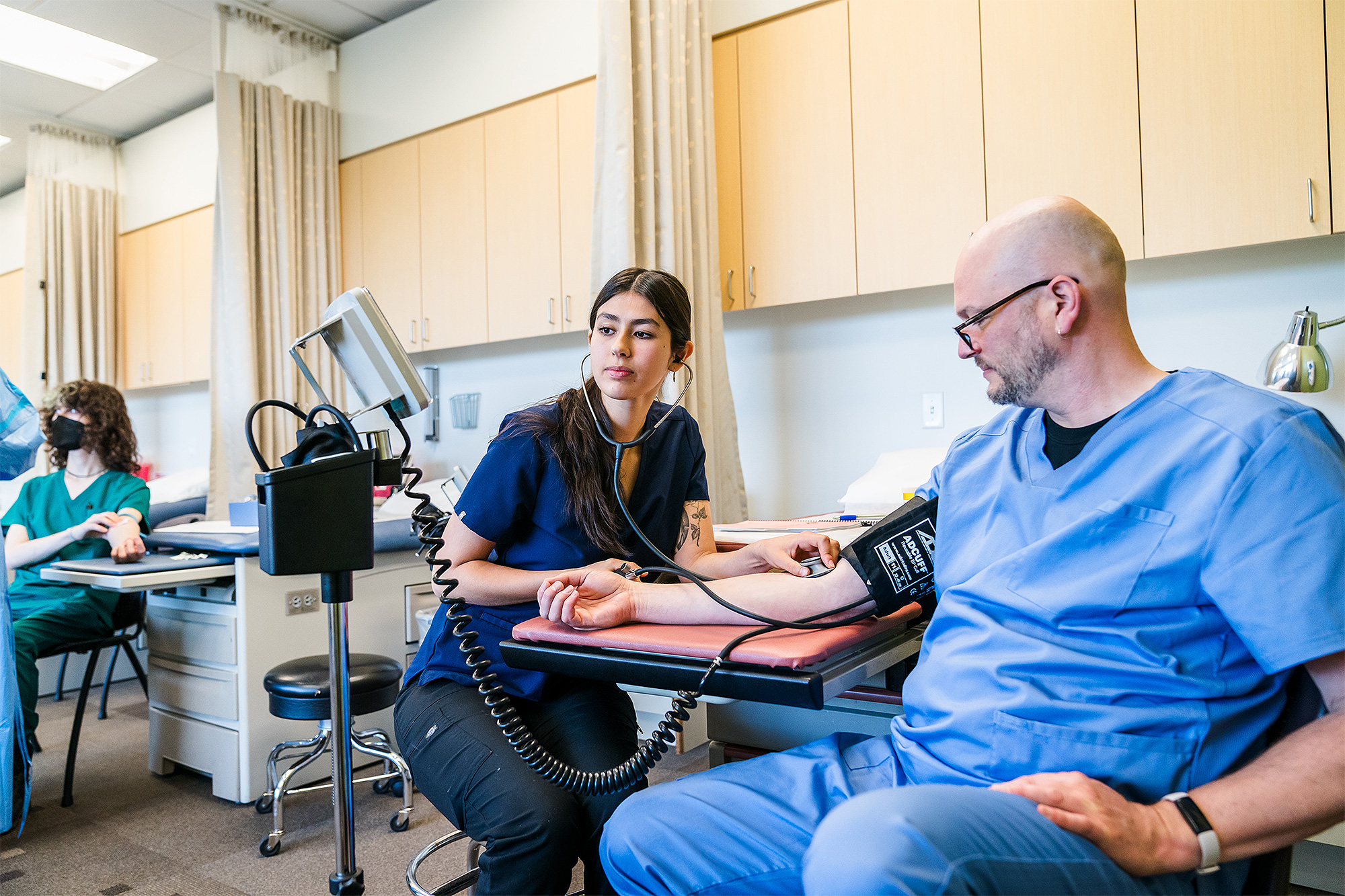
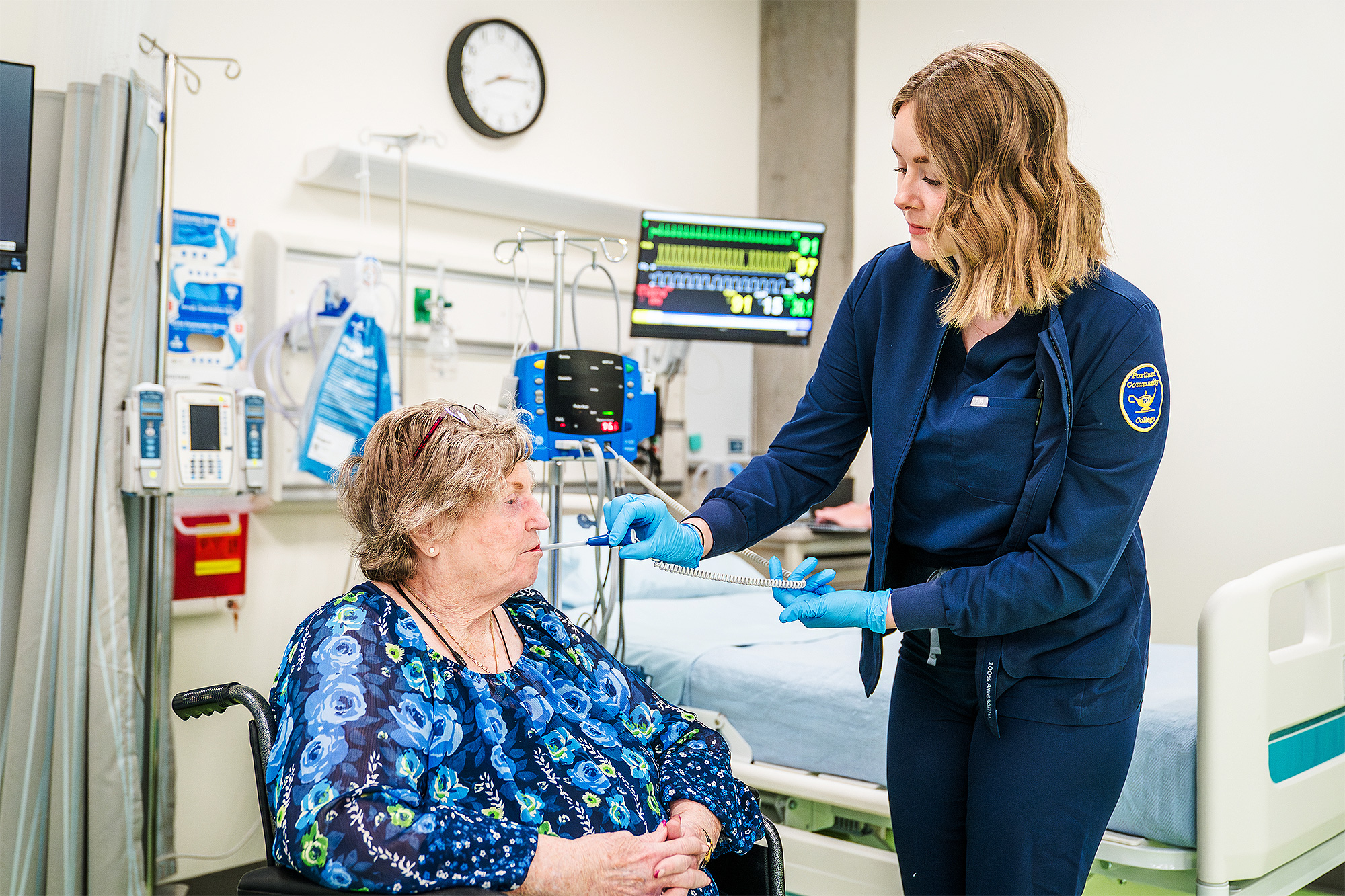
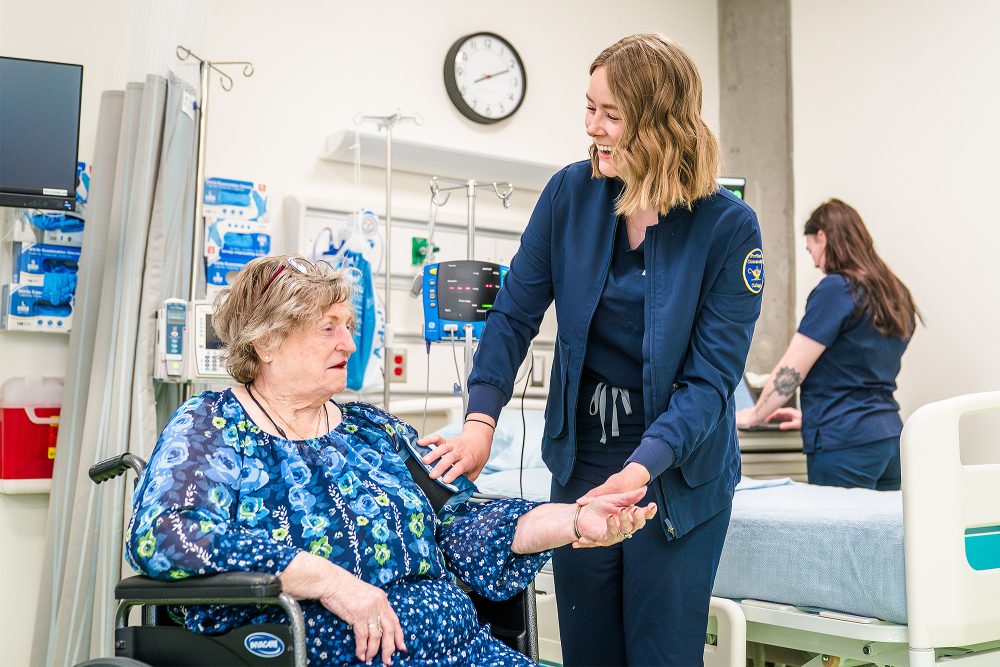
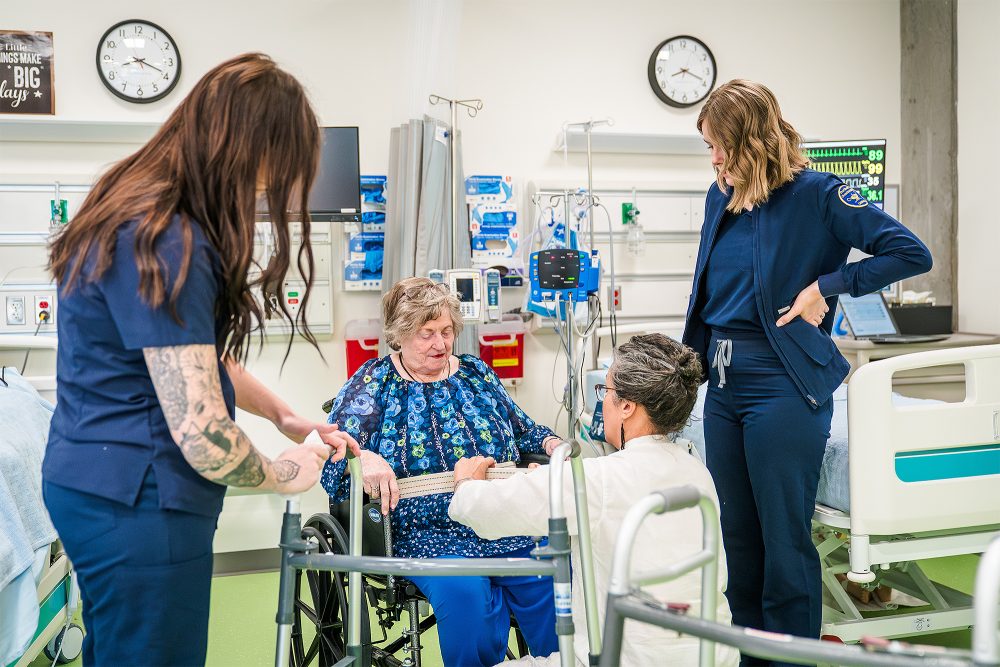
Learn about the principles of health care, various diseases, and body systems. Work with other students to practice skills like taking vital signs, dressing and undressing clients, and assisting with feeding.
Part II: Clinical practice experience – 40 hours
After successful completion of the lecture and lab practice in the classroom, you will move on to a clinical rotation. You will put your skills to work in the real world at a local healthcare facility. The work experience will give you a preview of your role as part of the healthcare team.
Clinical rotations are held at healthcare facilities throughout the greater Portland area. Students may be placed at a clinical rotation site 30 miles from the school site, and should have reliable transportation to ensure timely attendance at all off-site clinical rotations and on-campus laboratory sessions.
Upon successful completion of the program, students will be able to:
- Pass the state board exam, which grants certification as a certified nursing assistant.
- Apply a working knowledge of a variety of human body systems, including the circulatory system, respiratory system, digestive system, nervous system, and more.
- Understand a variety of human disease processes, including cancer, heart disease, Alzheimer’s disease, stroke, and substance abuse, among many others.
- Understand standard precautions and the importance of keeping a clean and sterile environment, as well as how to prevent and halt the spread of disease by maintaining cleanliness.
- Perform a vast number of skills essential to the role of a CNA, including taking vital signs like pulse and blood pressure; helping with activities of daily living like feeding, dressing, or hair and nail care; and assisting clients with walking and range-of-motion exercises.
- Gain insight into the psychological struggles of patients and clients by listening to, empathizing with, and connecting with people.
- Understand the rights and responsibilities of nursing assistants, including which tasks they are prohibited from performing, and how to earn and maintain licensure.
- Network with nurses, doctors, physician assistants, physical therapists, and others to provide patient-centered care.
- Use effective time management to maintain a work-life balance.
- Exercise professionalism, appropriate conduct, and other skills that will help in finding, securing, and maintaining long-term employment.
Course schedule
| 1A lab and clinical group | 1B lab and clinical group | ||
|---|---|---|---|
| Lab (in-person) |
Tuesdays and Thursdays 8-11:50am |
Lab (in-person) |
Tuesdays and Thursdays 12:30-4:20pm |
| Clinical rotations (in-person) |
Tuesdays 6:30am-3:20pm |
Clinical rotations (in-person) |
Thursdays 6:30am-3:20pm |
| 2A lab and clinical group | 2B lab and clinical group | ||
|---|---|---|---|
| Lab (in-person) |
Mondays 9am-5:20pm |
Lab (in-person) |
Fridays 9am-5:20pm |
| Clinical rotations (in-person) |
Mondays 6:30am-3:20pm |
Clinical rotations (in-person) |
Fridays 6:30am-3:20pm |
See the program readiness and standards page for more information.
What will you do?
As a nursing assistant, you’ll provide essential care and support to patients under the supervision of licensed nurses. Your responsibilities include helping with daily tasks like bathing, dressing, and eating; monitoring vital signs; assisting with mobility; keeping patients comfortable and clean; and reporting any changes in their condition. You’ll also offer emotional support, helping patients feel safe and cared for – often making a meaningful impact during vulnerable moments. Providing care is both challenging and rewarding. See Nursing Assistant standards and authorized duties for more information.
Who will hire you?
There are many employers of nursing assistants in the Portland area:
- Clinics
- Community hospitals
- Emergency departments
- Extended care facilities
- Health departments
- Home health care agencies
- Medical centers
- Nursing homes
- Rehabilitation centers
Get in touch
Contact us if you have questions about the Nursing Assistant non-credit or credit training.
The job outlook for nursing assistants in Portland, Oregon, is very positive. Lightcast data derived from government sources in 2025 forecasts 17.9% projected growth in jobs for nursing assistants. This growth is attributed to the aging population, increased demand for healthcare services, and the growing need for certified nursing assistants in a variety of healthcare settings. Pay ranges for certified nursing assistants range from $21-$32 per hour, depending on experience, shift, and location.
Note that most clinical and care facilities will not hire certified nursing assistants without United States work authorization documentation.
Take the next step
Learn how to get into this program.See how to apply
Not quite ready to apply?
We can help you get the info you need.
Related programs
PCC offers more than 90 programs.