
Anderson Conference
-
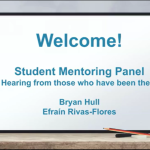 Student Mentoring Panel: Hearing from Those Who Have Been There
- Former TRIO participants exploring student mentoring from both sides of the relationship. Panelists highlight how trust, empathy, and strength-based guidance support underrepresented students through college and career choices. Posted February 2, 2024
-
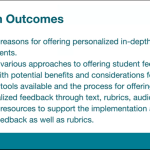 Support Student Learning and Belonging by Varying Your Feedback Strategies
- Varying feedback strategies—from text and rubrics to inline annotations, audio, and video—helps instructors strengthen connection, clarify expectations, and support student learning. Using tools like D2L, Google Docs, and Kaltura, educators can humanize online instruction, communicate tone effectively, and build a stronger sense of belonging through personalized, meaningful responses. Posted February 2, 2024
-
 Teaching to the Gen Ed Assessment
- This Lunch & Learn series explores how faculty and staff can build age-inclusive learning communities. Participants examine the dynamics of multigenerational environments, distinguish between age-friendly and age-inclusive practices, and reflect on ageism's impact. The session offers strategies to reduce barriers, foster intergenerational knowledge sharing, and make educational spaces welcoming to learners across all life stages. Posted February 2, 2024
-
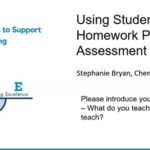 Using Student Authoring of Homework Problems as an Assessment Strategy in STEM
- This Anderson Conference session explores student-authored homework problems as renewable STEM assessments. By creating custom chemistry problems tied to their interests, students engage deeply, share diverse perspectives, and reveal misunderstandings early. The presentation outlines the end-to-end creation process, grading rubrics, culturally responsive benefits, and important copyright considerations for reusing student work. Posted February 2, 2024
-
 Moving the Group Project to a Collaborative Project in a Remote Learning Environment
- Michael Meagher presents a model for transforming traditional group projects into equitable, remote-friendly collaborative assignments. Posted February 2, 2024
-
 Unbury the Treasure: Practical Strategies for Student Support Within and Outside of the Classroom
- Lauren Hull shares practical strategies for making student support resources accessible without overwhelming learners. Posted February 2, 2024
-
 You Don’t Know What You’ve Got ’til It’s Gone: Authentic Voice and Generative AI
- Melissa Goodman Elgar explores generative AI's impact on student writing, authentic voice, and learning equity. It addresses faculty concerns about critical thinking while distinguishing text generation from editing. Posted January 31, 2024
-
 Opening Keynote
- Adam A. Smith challenges educators to care for themselves, recognize the strengths students bring to college, and build a culture of shared responsibility, connection, and meaningful support. Posted January 31, 2024
-
 Trauma-Informed Care: Module 1
- A foundational introduction to trauma-informed care helps faculty and staff understand trauma, toxic stress, resilience, and practical principles for creating safer and more supportive learning and workplace environments. Posted January 31, 2024
-
 Simple Strategies to Create a Safe Class Environment for BIPOC Students
- Small, intentional teaching practices can strengthen trust and belonging by helping BIPOC students feel represented, heard, respected, and supported in the classroom. Posted January 31, 2024