
Posted in January 2024
-
 You Don’t Know What You’ve Got ’til It’s Gone: Authentic Voice and Generative AI
- Melissa Goodman Elgar explores generative AI's impact on student writing, authentic voice, and learning equity. It addresses faculty concerns about critical thinking while distinguishing text generation from editing. Posted January 31, 2024
-
 Opening Keynote
- Adam A. Smith challenges educators to care for themselves, recognize the strengths students bring to college, and build a culture of shared responsibility, connection, and meaningful support. Posted January 31, 2024
-
 Trauma-Informed Care: Module 1
- A foundational introduction to trauma-informed care helps faculty and staff understand trauma, toxic stress, resilience, and practical principles for creating safer and more supportive learning and workplace environments. Posted January 31, 2024
-
 Simple Strategies to Create a Safe Class Environment for BIPOC Students
- Small, intentional teaching practices can strengthen trust and belonging by helping BIPOC students feel represented, heard, respected, and supported in the classroom. Posted January 31, 2024
-
 The Responsive Library: Meeting Students’ Needs and Interests
- PCC librarians showcase flexible digital resources that connect students and instructors with news, eBooks, audiobooks, international publications, and faster access to course materials. Posted January 31, 2024
-
 The PR Problem: How Is Higher Education Staying Relevant?
- Making the purpose of learning more visible can help students connect coursework with meaningful goals while giving instructors a stronger framework for planning, assessment, and teaching presence. Posted January 31, 2024
-
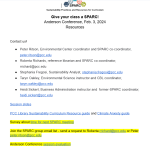 Give your class a SPARC: Student-centered sustainability curriculum
- Discover how Portland Community College’s SPARC program helps faculty integrate sustainability and climate justice into their courses. Posted January 31, 2024
-
 Why Universal Design for Learning: From Basic Concepts to Promoting and Internalizing Inclusive Learning
- Inclusive learning starts during course design, and Universal Design for Learning offers practical ways to anticipate barriers, increase flexibility, and create meaningful opportunities for more students to participate and succeed. Posted January 31, 2024
-
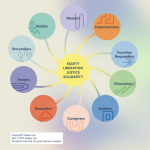 Introduction to the Social Change Ecosystem
- The Social Change Ecosystem helps educators identify their values, strengths, and roles while showing how different people can work together toward meaningful community change. Posted January 31, 2024
-
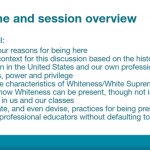 Professionalism, Power, Privilege, and Presence: Faculty Identity Under the Influence of Whiteness
- Presenter: Martha Bailey. Many of us have completed our education and developed our professional identities under the influence of Whiteness, […] Posted January 31, 2024