Job coaching
 Did you know that PCC offers free job coaching to help your job search be more successful? We assist with resume writing, planning your job search, and enhancing your interviewing skills. We want to help develop your career path!
We can help!
We help current and former students with every part of the job search plan:
file Resumes
- Learn how to build a resume
- Enhance your resume
magnifying glass Job search
- Learn how to get experience
- Use social media in job searches
- Build your network
- Get connected in your field
- Find out where jobs are
- Get inside tips on job leads
- Job webinars and workshops
comment Interviews
- Learn interview strategies
- Work with an interview specialist
- Improve interviewing skills
dollar sign Salary
- Find out how much jobs pay
- Get wage information
- Know what you’re worth!
- Understand how to negotiate salary
Before your appointment
From graduation to a job
See our DIY guide on Connecting College to Career. We cover how to become the best candidate to land your first job out of college.
Gather your information and have it available during your appointment. You don’t need a full-blown resume – handwritten notes are fine, or even better, type them up!
Have with you:
- Prior education: where you went, when you graduated.
- Previous training and achievement: names and dates of any specialized certificates, credentials, or skills that you have developed. Write down any activities that highlight your achievements.
- Any paid or unpaid work: who you worked for, where you volunteered, dates of employment, your accomplishments, and responsibilities.
Connect with us
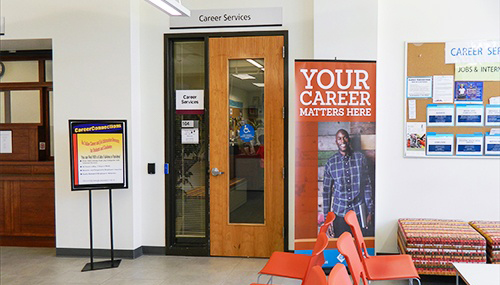
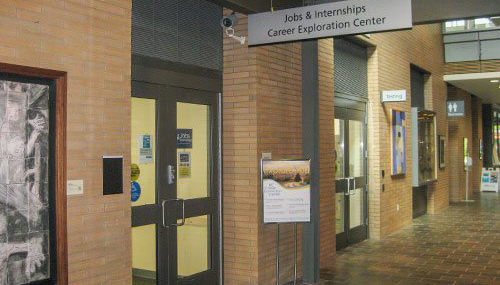
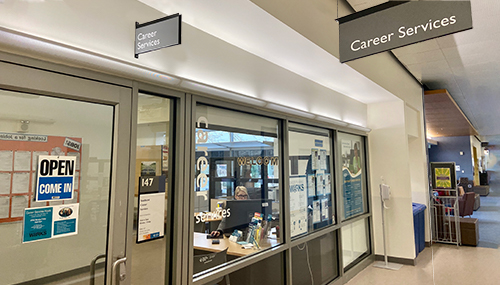
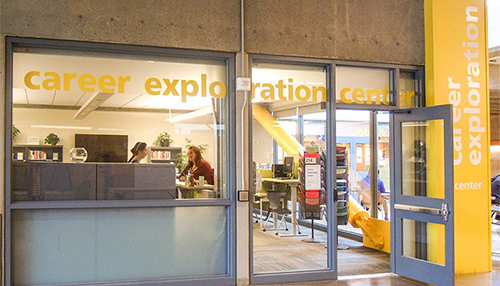
All students and alumni are welcome. We’re located on all campuses: see all staff »
- Email: careerservices@pcc.edu
- Chat: launch chat
- Meet: request appointment
- Follow: facebook Facebook, instagram Instagram
- More ways to contact us »