
Posted in January 2025
-
 Student Success and the Social Model of Disability
- Shifting from a medical model to a social model of disability helps educators remove barriers, strengthen belonging, and design learning environments where more students can participate and succeed. Posted January 31, 2025
-
 Good Teaching and the Case for Module-Level Outcomes
- Clear module-level outcomes can strengthen course planning, connect activities with assessment, and give students a better understanding of where their learning is headed. Posted January 31, 2025
-
 Harnessing cultural capital to foster inclusive learning and academic belonging
- Explore how recognizing and building on students’ cultural capital can foster more inclusive learning environments and strengthen academic belonging. Posted January 31, 2025
-
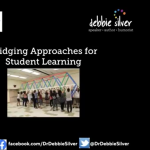 Anderson Conference 2025 Keynote Speaker Dr. Debbie Silver
- In this inspiring keynote, Dr. Debbie Silver shows educators how to embrace deliberate optimism amidst teaching pressures. Discover actionable strategies to reframe daily challenges, understand diverse student learning preferences, and build safe, inclusive classrooms. Learn how combining instructional variety, purposeful listening, and humor fosters authentic student connection, confidence, and self-efficacy. Posted January 31, 2025
-
 Survivor-Centered Classrooms: Prevention and Response to Gender Based Violence at PCC
- This presentation from PCC’s Outreach and Advocacy Project guides faculty and staff on supporting students affected by gender-based violence. Posted January 31, 2025
-
 Using Rubrics to Improve Student Outcomes and Improve the Assessment Experience for Instructors
- In a presentation on rubric design and implementation, Christine Fanning explains how rubrics enhance assessment for instructors and empower students. By clarifying expectations, reducing uncertainty, and promoting self-assessment, rubrics help students take ownership of learning. Fanning highlights practical strategies for teaching rubric use, addressing potential limitations, and creating effective rubrics in D2L Brightspace. Posted January 31, 2025
-
 Mining the Gifts of Improvisation Principles for Community Building
- Patrick Tangredi and Kerry Leek demonstrate how improvisation principles foster inclusive classrooms and stronger community connections. Through low-stakes activities like word association and "Yes, And" collaborative storytelling, educators learn to build trust, encourage active listening, embrace diverse participation styles, and strengthen creative problem-solving without the pressure of performing or being funny. Posted January 31, 2025
-
 Standard Language Ideology in the Writing Classroom and Beyond
- Yvette Rosales examines how standard language ideology creates linguistic inequities in writing classrooms. She advocates shifting from rigid grammatical correctness to a rhetorical approach focused on audience, purpose, and context. By utilizing syllabus diversity statements, context-driven feedback, and student-guided reviews, educators can empower students to make purposeful communication choices across diverse genres. Posted January 31, 2025
-
 Academic Advisors: What They Do and How It Supports Your Students Academically
- In a presentation by Bonni Goldberg and Cherise Frehner, learn how PCC’s pathway-based academic advising model supports students through term-by-term planning, resource connection, and holistic guidance during academic or personal challenges. Discover how ongoing advisor relationships build student confidence and self-efficacy, and explore key strategies to strengthen faculty-advisor collaboration for student success. Posted January 31, 2025
-
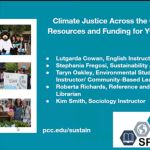 Climate Justice Across the Curriculum: Resources and Funding for YOUR Classes
- Discover how to bring climate justice into any discipline using PCC resources, professional development, and SPARC support. Learn practical strategies to adapt existing course content, access project funding, and connect students with real-world environmental and social equity issues. Posted January 31, 2025