
Once on life support, PCC AHA training program earns American Heart Association All-Star Award
Story by James Hill
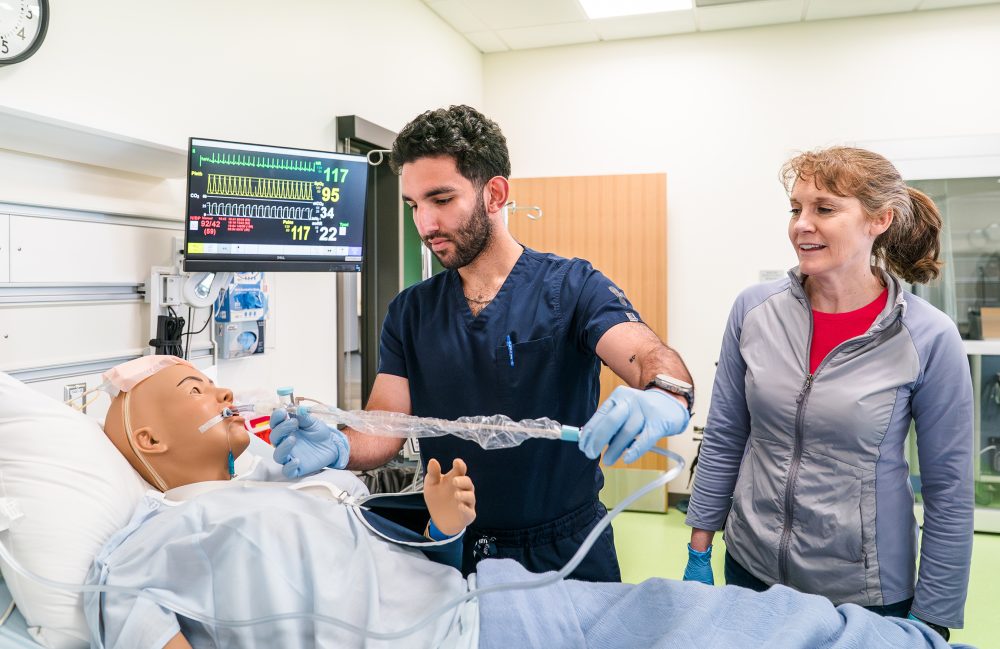
PCC’s training center offers courses designed for healthcare providers, students entering medical professions and members of the public who want to develop emergency response skills
It wasn’t long ago that Portland Community College’s lifesaving CPR and emergency cardiovascular care program was on its last breaths and ready to close its doors. But thanks to dedicated staff, PCC’s American Heart Association (AHA) Training Center has come back to life by earning the American Heart Association’s 2025 All-Star Award. It is one of the first training centers nationwide to receive the honor, recognizing its success in delivering lifesaving education to healthcare professionals, students and community members.
The training center, housed within PCC’s Healthcare and Emergency Professions pathway, was part of the first group of centers to earn the new national recognition. The award honors American Heart Association training centers that consistently provide high-quality CPR and emergency cardiovascular care education, follow rigorous training standards and demonstrate exemplary program compliance.
“This award is a testament to the continued commitment to educational excellence and service demonstrated by our entire instructional team,” said Janeen Hull, dean of PCC’s Healthcare and Emergency Professions Pathway. “These courses ensure that learners are prepared to respond confidently in medical emergencies, directly strengthening overall community safety.”
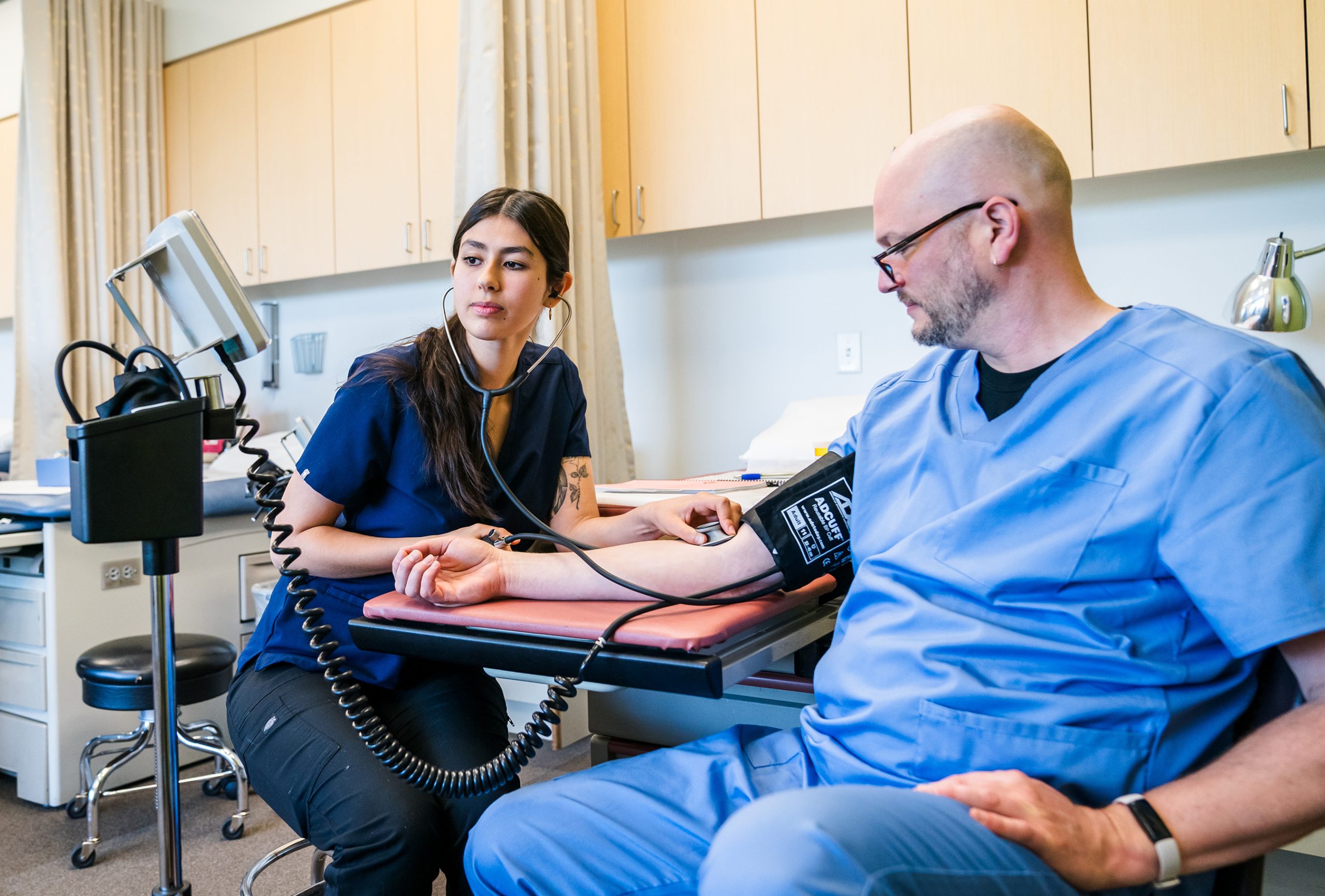
Healthcare Training at PCC
Explore healthcare and emergency service careers at PCC through hands-on and behind-the-scenes programs designed for your goals. Gain practical skills for growing, in-demand fields offering strong pay and benefits. Make college affordable through financial aid, scholarships, grants, veterans’ benefits, and flexible payment plans. Start building your future today with confidence.
PCC’s training center is a life-saver, literally and figuratively. It offers courses designed for healthcare providers, students entering medical professions and members of the public who want to develop emergency response skills. Faculty also offer customized training solutions for employers, healthcare facilities, schools, and other organizations. The center provides basic life support, advanced cardiovascular life support, pediatric advanced life support, advanced stroke life support and heartsaver courses that cover CPR, automated external defibrillator use and basic first aid.
“The classes provide foundational instruction, professional upskilling and continuing education for credit and non-credit students. They also help healthcare organizations maintain a qualified workforce by ensuring employees meet certification requirements,” Hull said.
Nearly all healthcare providers must maintain basic life support certification, while many nurses, physicians, paramedics and other professionals are also required to hold advanced cardiovascular life support, pediatric advanced life support or advanced stroke life support credentials.
“The demand remains high because healthcare professionals must maintain current certifications as a condition of employment,” said Teresa Parrish, who supports PCC’s American Heart Association training center. “Without these certifications, they may be unable to perform their jobs or provide patient care.”
The American Heart Association evaluates training centers using several performance measures, including certification eCard activity, participant feedback, training quality and adherence to emergency cardiovascular care guidelines. Students and graduates are asked about their classroom experience, course length, required materials, instructor performance and whether they would recommend the course to others.
Many students enrolled in PCC’s healthcare programs must earn American Heart Association basic life support certification before participating in clinical education or entering the workforce. Providing that training directly through PCC makes it more accessible and allows students to complete academic and professional requirements through a trusted institution.
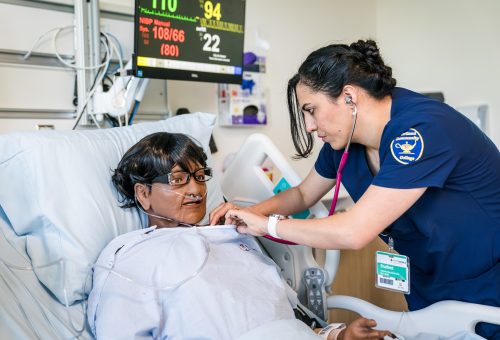
Nearly all healthcare providers must maintain basic life support certification and PCC’s center provides them with those classes.
PCC’s recognition carries special meaning for Parrish because the college’s training center has operated for 24 years and has overcome obstacles.
In 2004, the center trained more than 18,000 students. Its enrollment later declined, and the program faced the possibility of closure shortly before the COVID-19 pandemic. PCC ultimately maintained the center, while community and healthcare partners, including Life Flight Network, Legacy Health, Just in Time Training and Medical Outreach CPR, helped sustain its work during the pandemic.
The center initially resumed instruction through online coursework before returning to in-person operations. Participation has continued to grow as PCC has rebuilt its training offerings and strengthened connections with internal healthcare programs and external partners.
“I am most proud that we are making a comeback; that we did not give up,” Parrish said. “Being recognized after everything the program has been through shows the dedication of our instructors, partners and students.”
About James Hill

James G. Hill, an award-winning journalist and public relations writer, is the Director of Public Relations at Portland Community College. A graduate of Portland State University, James has worked as a section editor for the Newberg Graphic... more »