
Sterile Processing Technician, non-credit training
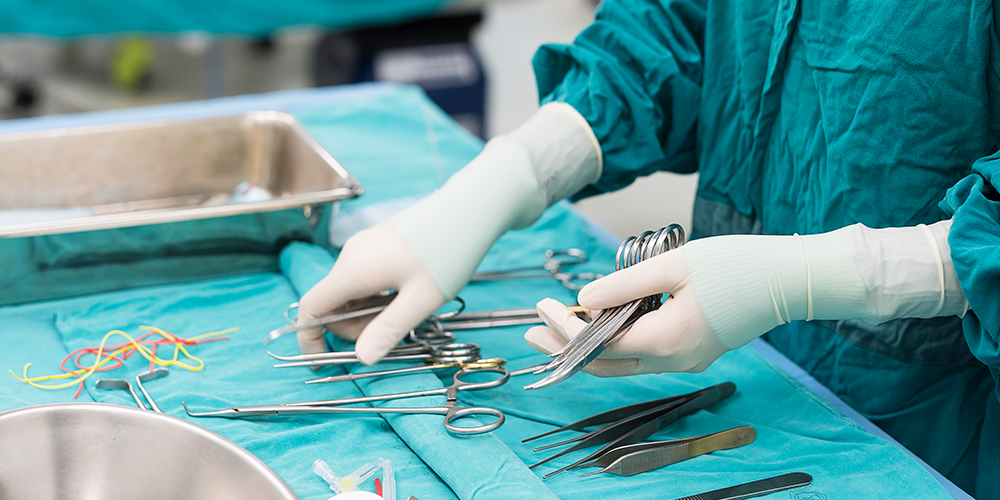
Why choose the Sterile Processing Technician non-credit training program at PCC?
Salary
According to the Bureau of Labor Statistics, sterile processing technicians earn between $37,000 and $60,000 per year in Oregon.
Start your future in healthcare as the first line of defense against infection. Help keep patients safe by ensuring a clean, well-prepared medical environment.
The job market for sterile processing technicians is expected to continue to grow, so begin a rewarding career by enrolling in our Sterile Processing Technician program.
Upward mobility
PCC’s Sterile Processing Technician program provides knowledge and hands-on experience to work as a sterile processing technician. Upon successful completion of our program, you may obtain certification through the Certification Board for Sterile Processing and Distribution, Inc. (CBSPD).
Once you are employed in a sterile processing department for 1 year and meet a minimum number of hours performing a variety of sterile processing tasks, you may obtain certification through the International Association of Healthcare Central Service Material Management (IAHCSMM).
Program costs
$1,498, excluding the book. Federal financial aid does not apply to non-credit courses. Students are required to pay in full once they are notified of their acceptance into the program.
The Basics of Sterile Processing, 7th Edition; the workbook is optional. This book is not sold at any of the PCC bookstores, so we encourage you to shop around to find the best price.
Instructor
Get in touch
Contact Bem Hanamoto if you have questions about Sterile Processing Technician non-credit training.
Award information
| Award | Length (attending full-time) | Financial aid eligible | Currently accepting students? |
|---|---|---|---|
| Non-credit Training: Sterile Processing Technician | Less than 1 year | Limited entry, see how to apply to Non-credit Training: Sterile Processing Technician |
Learn more about Medical Professions and all 3 awards available »
Locations
 CLIMB Center
What will you learn?
The Sterile Processing Technician program lasts 1 term and includes 42 hours of self-directed study and hands-on training in a hospital setting. In our program, you will learn the basics of sterile processing, including:
- Infection control and prevention
- Decontamination, cleaning, disinfection, and sterilization
- Surgical instruments and storage
- Distribution and inventory control
- Microbiology
- Medical terminology
- Anatomy and physiology
Upcoming courses
What will you do?
Sterile Processing Technicians are meticulous, detail-oriented, self-professed clean freaks. You will ensure the cleanliness and safety of operating rooms, tables, and equipment. You will stock, sterilize, package, and prepare tools and equipment used in surgery, careful to take proper inventory. Are you excited about the idea of working in a variety of medical settings, including general hospitals, public health clinics, private doctors’ offices, and specialized surgical centers? PCC’s Sterile Processing Technician program will prepare you to get a job keeping medical environments safe for patients and staff. A career as a Sterile Processing Technician may be right if you are the type of person who:
- Isn’t bothered by blood or bodily fluids.
- Recognizes the chain of command and follows company policies.
- Demonstrates ability to work under direction, yet independently as needed.
- Has strong verbal and nonverbal communication skills.
- Can build relationships in customer service with operating room staff and vendors.
- Wants to gain mastery of best practices in all areas of sterilization.
Next steps
See how to get into this program.Get started now
Not quite ready to apply?
We can help you get the information you need.